Zero Waste Living: How to Minimize Your Household Waste
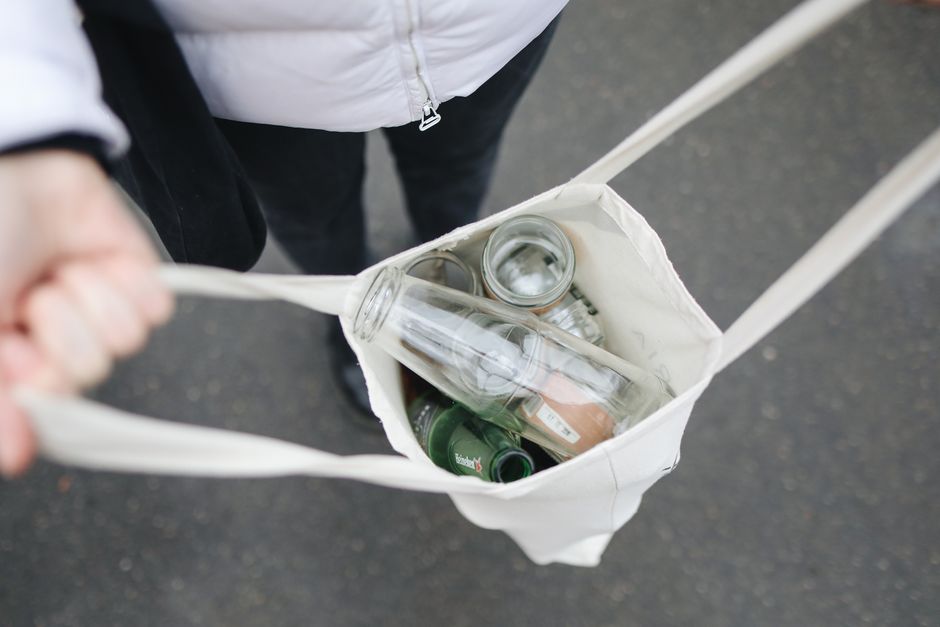
Zero waste living is a philosophy and a set of practices aimed at reducing the amount of waste that ends up in landfills, incinerators, or the natural environment. The concept encourages individuals to rethink their consumption habits and make more mindful choices about the products they use and how they dispose of them. While the term “zero waste” might suggest a complete elimination of waste, in practice it is more about striving towards that goal through incremental changes. This article explores the core principles of zero waste living and provides practical guidance for applying them in a household context, focusing on avoiding single-use plastics, embracing bulk shopping, and improving recycling habits.
Adopting a zero waste approach does not require an immediate overhaul of one’s lifestyle. Instead, it involves a gradual process of evaluating current habits and identifying areas where waste can be reduced. The principles are rooted in a hierarchy: refuse what you do not need, reduce what you do need, reuse what you already have, recycle what you cannot refuse or reduce, and rot (compost) organic waste. By following this hierarchy, households can systematically minimize their environmental footprint. The following sections delve into specific strategies that align with these principles.
Understanding the Zero Waste Hierarchy
The zero waste hierarchy is a framework that guides decision-making towards waste reduction. It prioritizes actions that have the most significant impact on preventing waste generation. The first step is to refuse items that are unnecessary, such as free promotional products, plastic bags, or single-use cutlery. By declining these items, you prevent waste before it is created. The second step is to reduce the overall amount of products you consume, focusing on quality over quantity and avoiding over-purchasing. The third step is to reuse items whenever possible, such as using cloth bags, glass jars, or repairing broken items instead of replacing them. Only after these steps should you consider recycling, which is often less efficient and resource-intensive. Finally, composting organic waste helps return nutrients to the soil and reduces methane emissions from landfills.
Applying this hierarchy in daily life can be straightforward. For example, when shopping, you might refuse a plastic bag for a single item, reduce the number of new clothes you buy by repairing or swapping, reuse containers for food storage, and recycle materials like paper and metal. The hierarchy also encourages composting food scraps. This systematic approach ensures that every waste-related decision is made with the environment in mind.
Avoiding Single-Use Plastics
Single-use plastics are a major component of household waste and a significant environmental concern. These items, such as plastic bottles, straws, bags, and packaging, are used for a short period but persist in the environment for hundreds of years. Avoiding them is a key aspect of zero waste living. One effective strategy is to replace disposable items with reusable alternatives. For instance, carrying a reusable water bottle, coffee cup, and shopping bags can eliminate a large portion of daily plastic consumption. Similarly, using metal or bamboo straws instead of plastic ones, and choosing products with minimal packaging, can reduce waste significantly.
Another approach is to be mindful of packaging when purchasing goods. Opting for products sold in glass, metal, or paper packaging rather than plastic can make a difference. Additionally, buying in bulk or choosing concentrated products can reduce packaging waste. When plastic is unavoidable, it is important to check whether it is recyclable and to recycle it properly. However, the focus should remain on avoiding plastic whenever possible.
Embracing Bulk Shopping
Bulk shopping is a practical way to reduce packaging waste and often saves money. By purchasing items like grains, nuts, spices, and cleaning supplies from bulk bins, you can bring your own containers and avoid single-use packaging. Many natural food stores and co-ops offer bulk sections where customers can fill reusable jars or bags. This practice not only cuts down on packaging but also allows you to buy exactly the amount you need, reducing food waste. When shopping in bulk, it is important to weigh your containers beforehand or use the provided tare weights, and to follow store guidelines for hygiene and safety.
Bulk shopping also encourages a more mindful relationship with food. Planning meals and making a list before heading to the store can help you avoid impulse purchases and reduce the likelihood of discarding unused items. Furthermore, buying in bulk often means less processed foods, which can have health benefits. However, it is essential to store bulk items properly to maintain freshness and prevent spoilage. Using glass jars or airtight containers can keep items fresh for longer.
Effective Recycling Practices
While recycling is not the most preferred option in the zero waste hierarchy, it plays an important role in managing waste that cannot be avoided. Effective recycling requires understanding local recycling guidelines, as rules can vary by municipality. It is crucial to know which materials are accepted, how they should be prepared (e.g., rinsed, sorted), and what items are not recyclable. Contamination, such as putting non-recyclable items in the recycling bin, can cause entire batches to be rejected and sent to landfill. Therefore, educating yourself about your local recycling system is a proactive step.
Many households make mistakes like recycling greasy pizza boxes or plastic bags, which are often not recyclable in curbside programs. Checking labels on products, removing caps, and flattening cardboard can improve recycling efficiency. For items that are not accepted curbside, such as electronics or batteries, seek out special collection events or drop-off locations. By recycling correctly, you help ensure that materials are actually repurposed rather than being treated as waste.
Composting Organic Waste
Organic waste, including food scraps and yard trimmings, constitutes a significant portion of household waste. When sent to landfill, this organic material decomposes anaerobically, producing methane, a potent greenhouse gas. Composting offers a way to divert this waste and create nutrient-rich soil. Home composting can be done through various methods, such as a backyard compost bin, a worm bin (vermicomposting), or a bokashi system. Each method has its own requirements and benefits, but they all break down organic matter into a usable soil amendment.
In a typical household, composting can handle fruit and vegetable peels, coffee grounds, eggshells, and shredded paper. It is important to balance green (nitrogen-rich) and brown (carbon-rich) materials to maintain proper decomposition. Avoiding meat, dairy, and oily foods in outdoor bins prevents odors and pests. For those without outdoor space, indoor systems like worm bins or bokashi can be effective. Additionally, many communities offer curbside organics collection programs, which make composting more accessible.
Adopting a Zero Waste Mindset
Going beyond specific practices, adopting a zero waste mindset involves a shift in how you view consumption and waste. This mindset emphasizes that waste is a design flaw rather than an inevitable byproduct of living. By questioning purchases, choosing durable and repairable products, and valuing experiences over material goods, you can reduce the overall demand for disposable items. It also involves patience and self-compassion, as perfection is not attainable. The journey towards zero waste is a gradual process of learning and adapting.
Incorporating zero waste principles into your routine can lead to a more organized and simplified home, as you naturally accumulate fewer items. It can also foster a stronger connection to your community, as you may engage in sharing, borrowing, or repairing items instead of buying new ones. While the impact of individual actions is limited, collective efforts contribute to broader environmental change. By understanding the hierarchy, avoiding single-use plastics, shopping in bulk, recycling effectively, and composting, you can significantly reduce your household waste and move closer to a zero waste lifestyle.